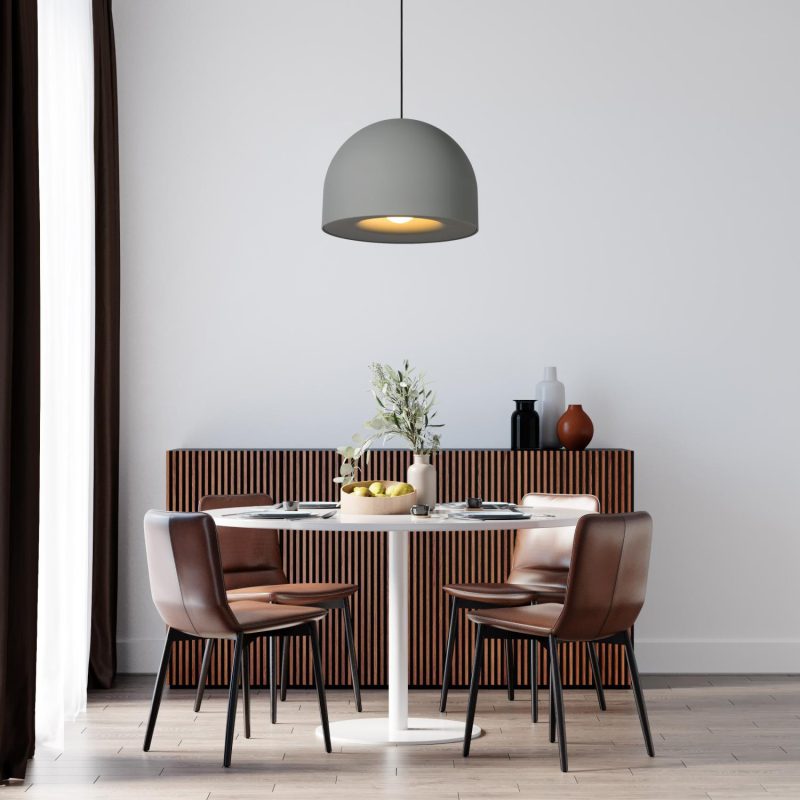
On a kitchen worktop you want 500 to 650 lux, without the shadow of your own head. You achieve that with lighting under the wall cabinets or with spotlights above the front edge of the worktop, not with a single ceiling light behind your back. Choose a colour rendering of at least Ra 80 and preferably 90, so that meat, vegetables and herbs keep their true colour. Above a kitchen island, hang two or three lights 70 to 85 cm above the top, or one bar of about two thirds of the length of the island.
How much light do you need on the worktop?
Licht.de, the information platform of the German lighting industry, gives 500 to 650 lux on the work surfaces of a kitchen, and at least 500 lux. Lux is the amount of light falling on a surface. The reason is practical: you work with knives, hot pans and small differences in colour and doneness, and that calls for about as much light as a desk.
Those 500 lux are not needed in the whole kitchen. The floor and the walkway are fine with general light; the high value belongs on the worktop, the hob and the sink. That is why a kitchen works with two kinds of light: general light from the ceiling and directed task light on the worktop. How many lumens you need for the general light can be worked out with the lumen calculator.
Why does the ceiling light cast a shadow on the worktop?
At the worktop you stand with your back to the room and your face to the wall. A light in the middle of the ceiling therefore hangs behind you, and your head and shoulders cast a shadow exactly where you are cutting. A brighter light in the same place does not solve this: the shadow stays where it is.
The task light therefore has to come from above and in front of you. There are two ways:
- Under the wall cabinets: light fittings or LED strips on the underside of the wall cabinets light the worktop from close by, without shadows.
- Spotlights in the ceiling above the front edge of the worktop: in a kitchen without wall cabinets, place a row of spotlights above the front of the worktop, not above the walkway. That way the light falls on the worktop in front of you.
For the general light, licht.de recommends at least two separate ceiling lights or distributed downlights, or a cable, rod or track system, instead of one light in the middle.
| Zone | What you do there | Light | Guideline |
|---|---|---|---|
| Worktop | Cutting, weighing, preparing | Under-cabinet lighting or spotlights above the front edge | 500–650 lux (licht.de) |
| Hob | Cooking, judging doneness | Lighting in the cooker hood or spotlights | Same as worktop |
| Sink | Washing up, cleaning | Spotlight or light fitting above it | Same as worktop |
| Kitchen island | Working and eating | Two or three pendant lights or a bar, dimmable | Bright for work, dimmed for eating |
| Walkway | Walking, tidying up | Ceiling lights or downlights | General light |
| Cabinets | Seeing what is inside, atmosphere | LED strip in cabinet or display cabinet | Accent |
Under-cabinet lighting: where to mount it and what to look out for
Under-cabinet lighting is the most efficient task light in a kitchen: close by, free of shadows and often low in wattage. A few points make the difference between good and annoying.
- Shielding towards the front. Licht.de stresses that under-cabinet light fittings must be shielded towards the front, so that their light does not dazzle. Mount them against the front of the cabinet base, behind the edge of the cabinet, or choose a profile with an upstand.
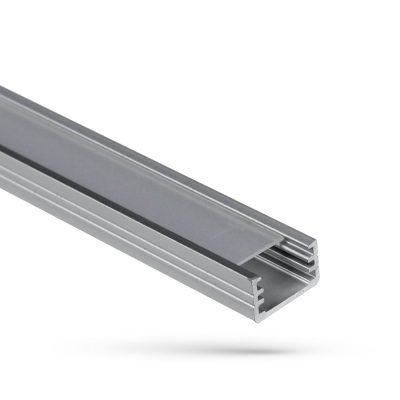
- A diffuser against dots. A glossy worktop or a tiled wall reflects every LED as a row of dots. An LED strip in an aluminium profile with an opal cover gives an even line of light. Which strip to choose is explained in choosing an LED strip.
- The full length. Let the lighting run along as much of the worktop as possible. A short light fitting above one section leaves the rest of the worktop in semi-darkness.
- Easy to clean. Licht.de recommends a smooth cover of glass or plastic; in a kitchen, grease ends up on everything.
- Switched separately. Task light is independent of the general light, with a switch at the worktop or on the light fitting.
A kitchen has no separate zoning like the bathroom, but above the sink and the hob a closed light fitting with a cover is practical: moisture and grease stay out.
How high do you hang lights above a kitchen island?
That depends on what you do at the island. If you eat there on bar stools, the same rules apply as above a dining table: for a breakfast bar, licht.de also gives about 60 cm between the top and the underside of the light, and up to 75 cm works well. If you mainly stand and work there, in practice the lights hang a little higher, 70 to 85 cm above the top. That way you can look across the island into the room while standing, and nobody bumps their head when leaning over the worktop.
Because an island is usually 90 to 95 cm high, the underside of the light then ends up at around 160 to 180 cm above the floor, roughly at the eye level of someone standing. So choose lights that shield the light source: a closed shade, a deep cylinder or an opal diffuser. A bare bulb in clear glass stares you straight in the face there.
How many lights and at what distance?
The layout follows the same logic as above a long dining table. Let the lights together cover about two thirds of the length of the island and keep at least 30 cm free at each end. Above an island, smaller shades with a little more space between them usually work better than above a dining table: allow 30 to 40 cm between the shades and a diameter of no more than 35 cm, and never more than half the depth of the island. A single bar of about two thirds of the length is the alternative and gives the most even task light.
If there is a hob in the island with a ceiling extractor above it, the pendant lights stay out of the steam and grease zone above the hob. Spread them over the part of the island where you work or eat, and let the extractor with built-in lighting light the hob.
| Island length | Two lights | Three or four lights | Bar |
|---|---|---|---|
| 150 cm | 2 × 25 cm, centres ± 63 cm | Too tight | 75–90 cm |
| 180 cm | 2 × 30–35 cm, centres ± 85 cm | 3 × 15 cm, centres ± 52 cm | 90–120 cm |
| 210 cm | 2 × 35 cm, far apart | 3 × 20–23 cm, centres ± 58 cm | 105–150 cm |
| 240 cm | Too far apart | 3 × 30 cm, centres ± 65 cm | 120–180 cm |
| 300 cm | Too far apart | 3 × 35 cm (± 83 cm) or 4 × 24 cm (± 59 cm) | 150–240 cm |
How high and how big above your table?
Type of shade
Which colour rendering and colour temperature do you choose in the kitchen?
In the kitchen colour rendering counts for more, because you judge food by its colour. Licht.de asks for at least Ra 80, and preferably Ra 90 or more, so that food looks natural and appetising. With low colour rendering it is harder to see whether chicken is cooked or an avocado is ripe, and tomatoes look brown. On the packaging it is shown as Ra or CRI. More on this in colour rendering (CRI) explained.
For the task light, 3000 K is a widely used colour temperature: white enough to work clearly, warm enough not to look clinical next to a living or dining room. In an open-plan kitchen that adjoins the living area, 2700 K for the general light and the pendant lights above the island is a good match. Mixing is possible, but keep lights you see together in the same colour. See also choosing a colour temperature.
How do you distribute the general light and the cabinet lighting?
The general light makes the kitchen safe to walk around in and easy to keep clean. Spread it across the ceiling instead of one light in the middle; in a long, narrow kitchen a track or a row of downlights works well. If you want spotlights, first read planning spotlights, because a grid above the walkway does not help the worktop.
Cabinet lighting is the layer that makes the kitchen soft in the evening: an LED strip in a display cabinet or under open shelves. Keep it on its own switch, so that after cooking you can switch off the task light and leave only the cabinets and the island on.
Which mistakes do you see most often in the kitchen?
- A single ceiling light that casts your own shadow on the worktop.
- Spotlights above the walkway instead of above the front edge of the worktop.
- Under-cabinet lighting without shielding, so that you look into the LEDs from the table.
- Visible LED dots that reflect in a glossy worktop.
- Low colour rendering or cool light that makes food look grey.
- Pendant lights too low above an island where you stand, or too high above a bar where you sit.
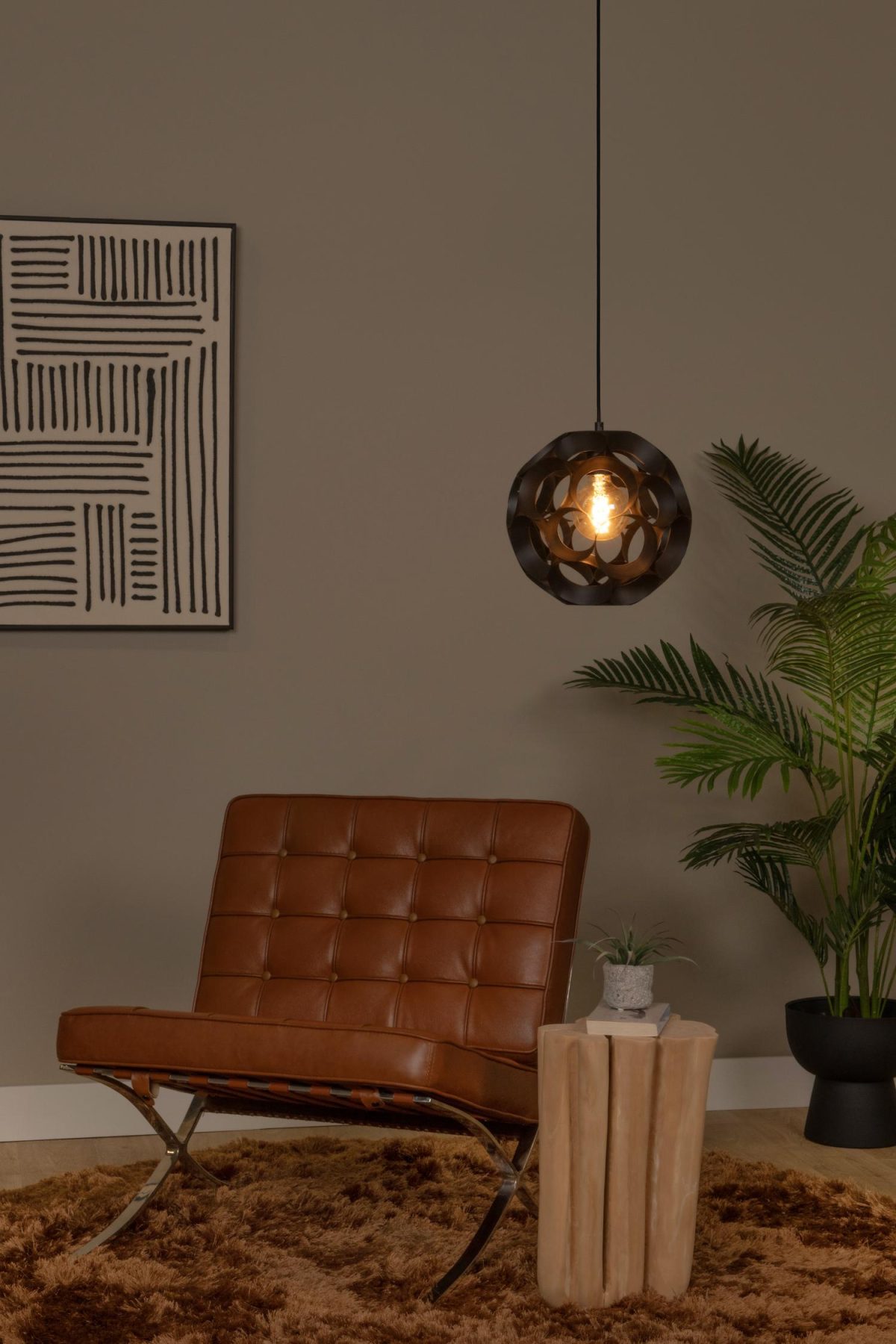
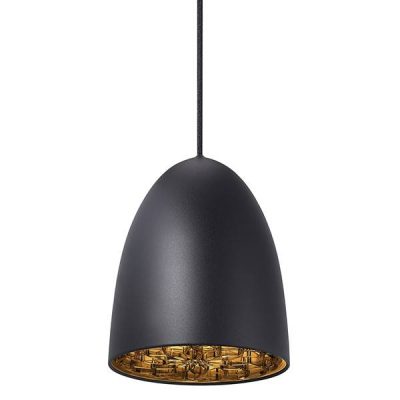
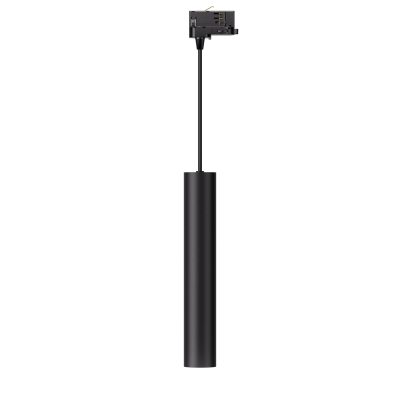
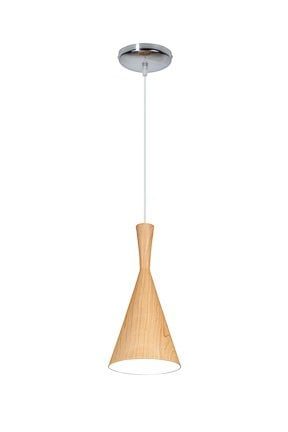
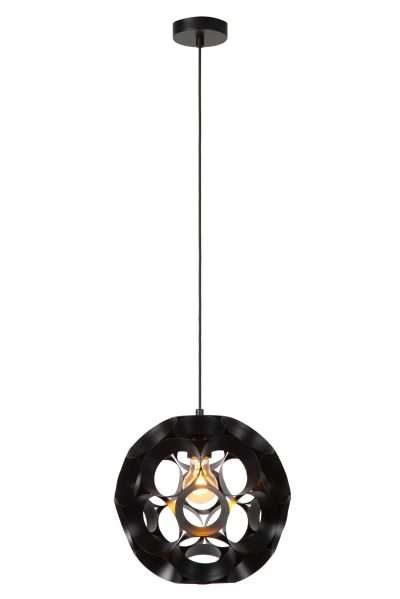
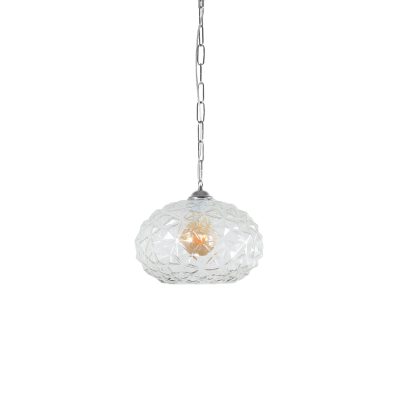
Pendant lights for above the kitchen island
View allDiameters of about 19 to 30 cm, to hang two or three in a row. Preferably choose a closed shade or cylinder.
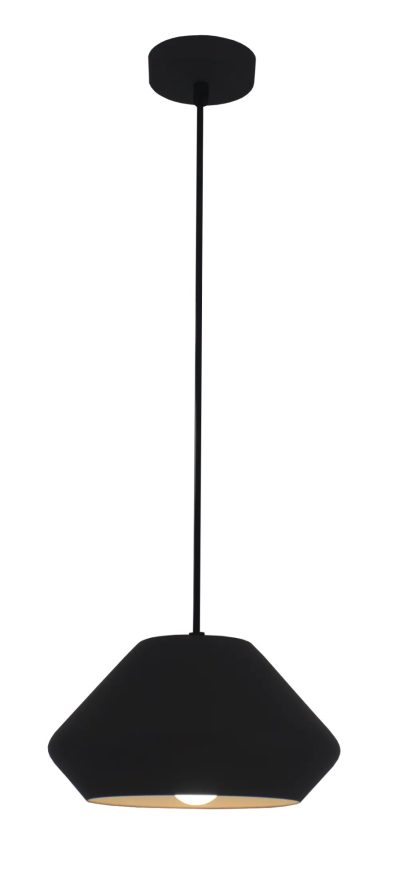
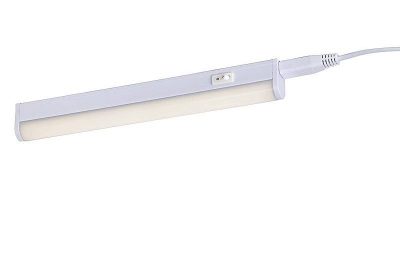
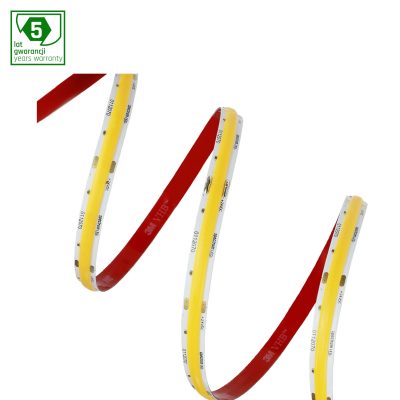
Task light for the worktop
View allUnder-cabinet light fittings of 30 and 90 cm, LED strip with profile and a recessed spotlight with Ra above 90.
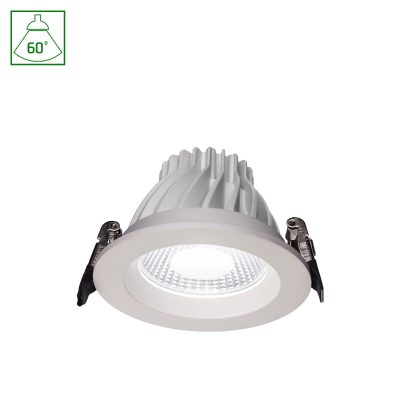
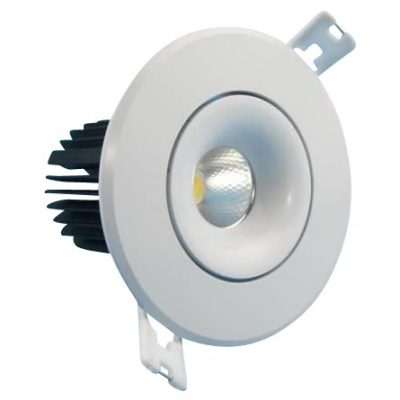 Fantasia kitchen recessed spot white
A recessed spotlight with a colour rendering above Ra 90 and 620 lumens, for a 70 mm cut-out: suitable for placing in a row above the front edge of the worktop. Log in for your price

Frequently asked questions
How many watts or lumens per metre does under-cabinet lighting need?
That depends on the distance to the worktop and on the profile. Count on a strip or light fitting that delivers several hundred lumens per metre; with an opal profile some of that is lost. As an illustration: a 90 cm under-cabinet light fitting that gives 1000 lumens delivers just over 1100 lumens per metre. Choosing the strip is covered in choosing an LED strip.
Can an LED strip go directly above the hob?
Above the hob there is heat, steam and grease. Leave that part to the lighting in the cooker hood or to spotlights in the ceiling, and mount strips under the wall cabinets next to the cooking zone.
Can I use dimmable spotlights in the kitchen?
Yes, and for an open-plan kitchen it is recommended: bright while cooking, dimmed while eating. Do check that lamp and dimmer are compatible; see dimming LED lamps.
Which pendant lights do you hang above a bar with stools?
At a bar you sit, so the lights hang as they would above a dining table, about 60 to 75 cm above the top. With the calculator for the dining table you can work out the height and spacing.
Sources
- Küche: Licht für Arbeitsflächen und Essplatz, licht.de (ZVEI)
- Lichtrezepte für die Küche, licht.de (ZVEI) (2024)
- Licht für Wohnräume (presentatie bij licht.wissen 14), licht.de (ZVEI) (2020)