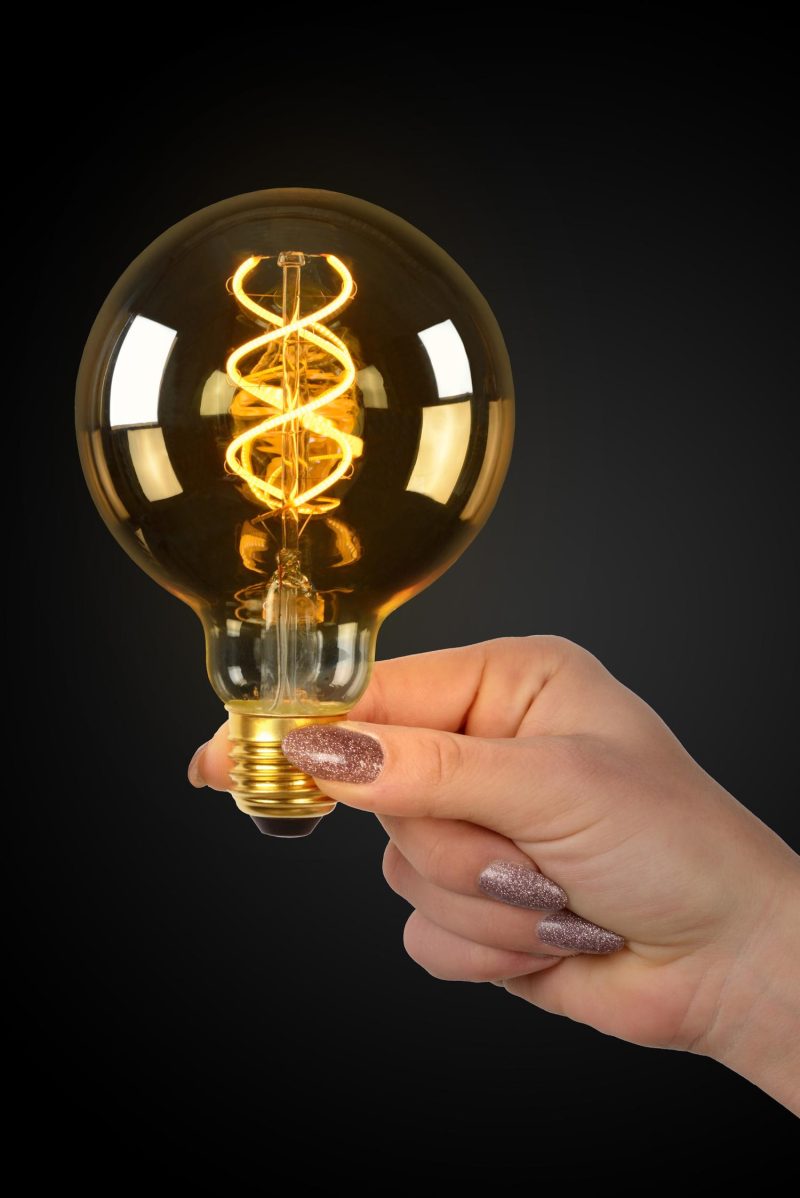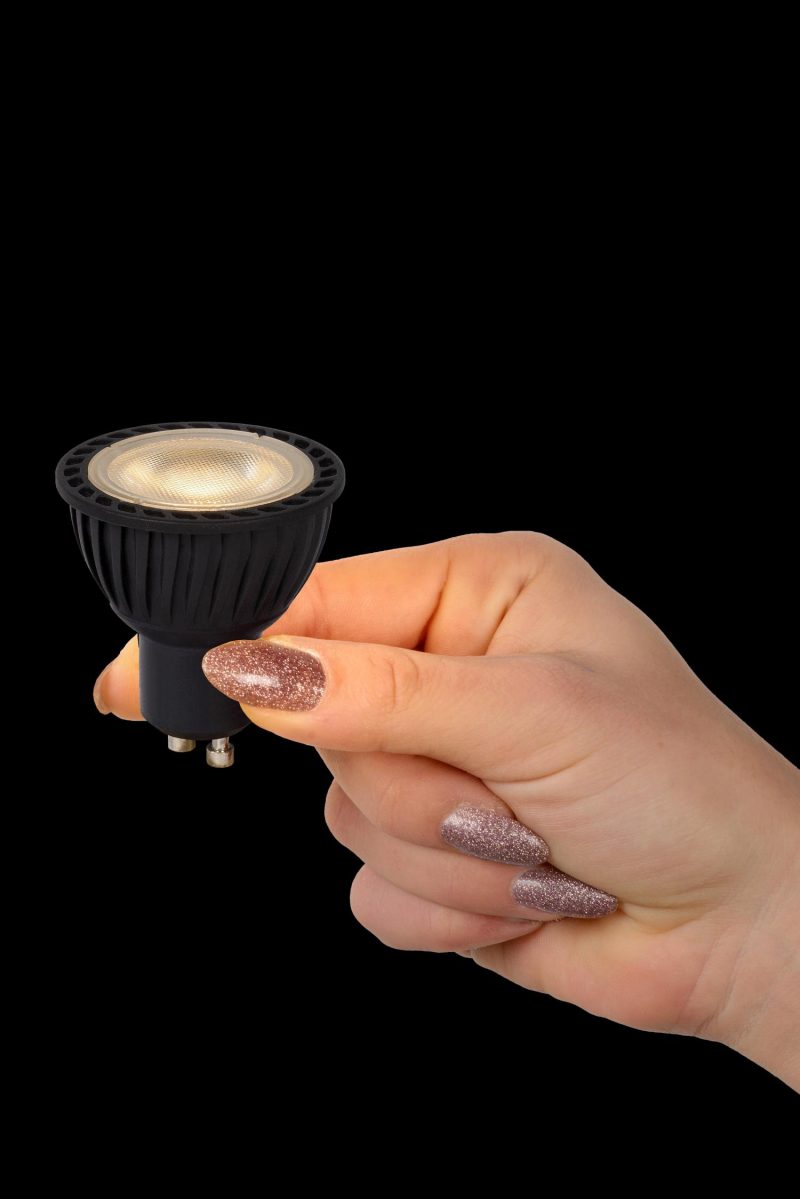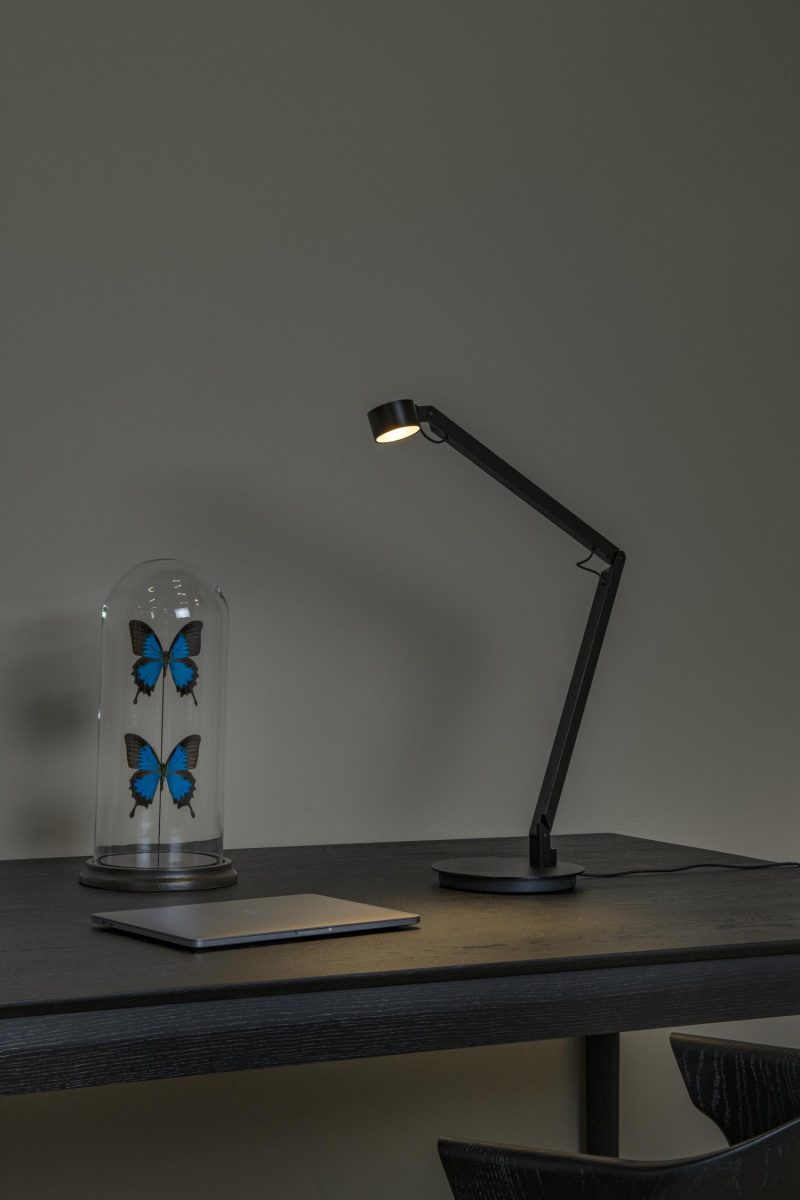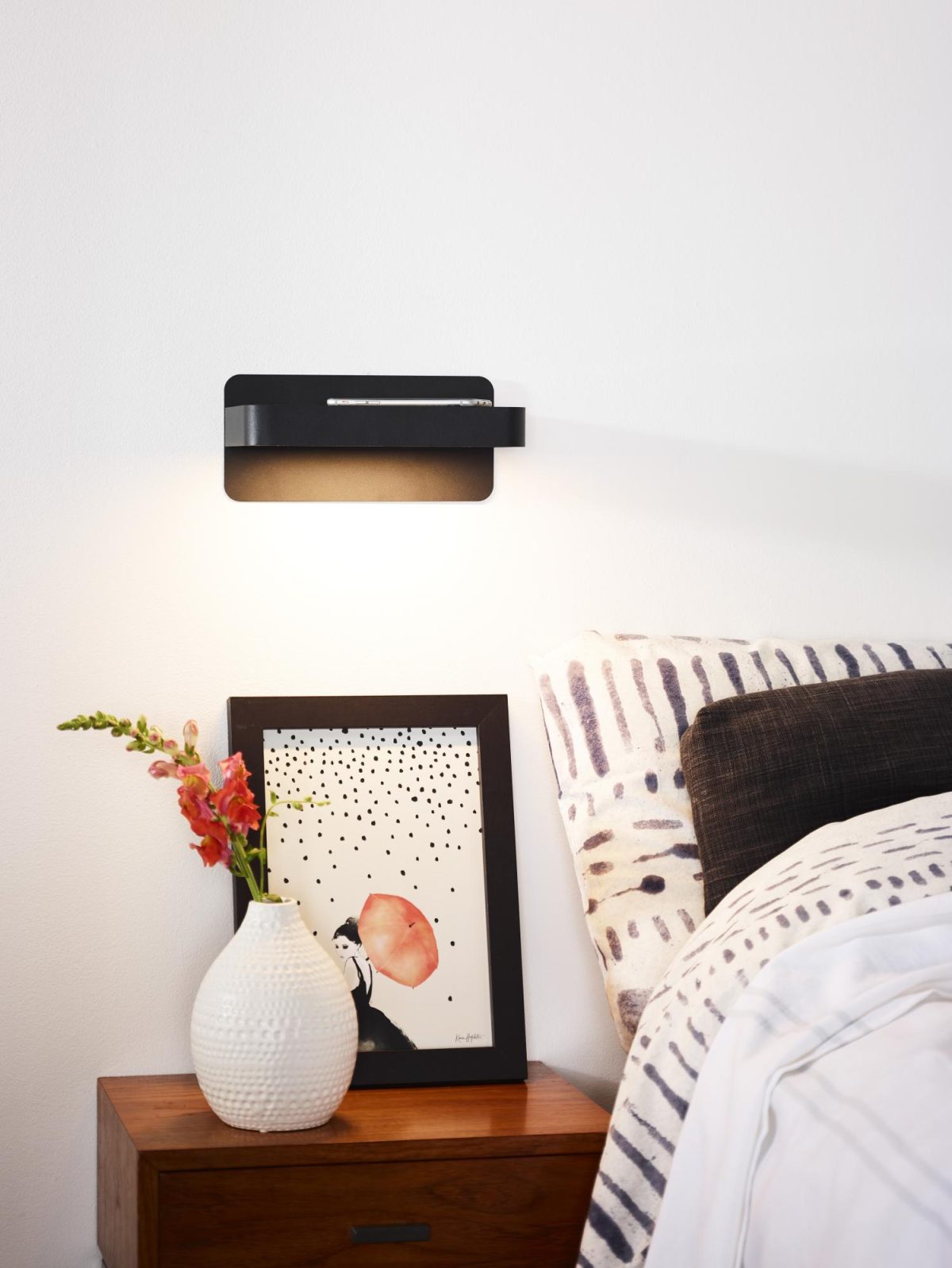
A bedroom needs little light, but in the right places: a general light to see the room and the wardrobe, a bedside lamp for each person that switches and dims separately, and light at the mirror and the wardrobe. For the evening, an international group of sleep researchers recommends staying below 10 lux melanopic at the eye in the three hours before bedtime; with warm white LED that comes down to about 30 lux. At night: as dark as possible, at most 1 lux.
Which lights does a bedroom need?
You do few things in a bedroom, but each of them calls for a different kind of light. You get dressed, look for something in the wardrobe, read in bed and want to go to the toilet at night without waking everyone. Licht.de, the information platform of the German lighting industry, therefore approaches the bedroom functionally: besides the general light, light is needed at the bed, at the mirror and at the wardrobe.
- General light: a ceiling light or indirect light, preferably dimmable. You use it briefly, so it can be simple, but it should not dazzle whoever is lying in bed. A flush ceiling light with an opal diffuser is better here than a bare bulb or a spotlight.
- Light at the bed: a separate lamp for each person, switched and dimmed independently.
- Light at the mirror: two lights, left and right.
- Light at the wardrobe: from above and from the front, or inside the wardrobe itself.
Licht.de also recommends being able to operate the general light from the bed with a two-way or multi-way switch. Forget that during a renovation, and you will be getting out of bed for years to switch off the light.
| Spot | Light | What to look out for |
|---|---|---|
| Room | Flush ceiling light, indirect light | Opal or indirect, dimmable, can also be switched from the bed |
| Bed | Table lamp on the bedside table or wall light | Switched separately for each person, dimmable, adjustable for reading |
| Mirror | Two wall lights next to the mirror | Light from the sides, no shadows on the face |
| Wardrobe | Spotlights 50–80 cm in front of the wardrobe or LED strip inside it | Light on the clothes, not in your eyes |
| Night | Orientation light low near the floor | Very dim, warm, pointing downwards |
Table lamp or wall light next to the bed?
Both work. Licht.de names a table lamp on each bedside table or fixed wall lights next to or above the bed as the two usual solutions, with the requirements that they can be turned and swivelled, give soft, glare-free light, and can be switched and dimmed separately.
A table lamp is the simplest: plug it in and you are done. It does take up space on the bedside table, and its height is fixed by the table. A wall light keeps the bedside table free and hangs at the height you choose. You need a connection point for it, or a model with a cord and plug and a switch on the light. Wall lights with a USB port save you an extension lead behind the bed.
At what height does a reading light next to the bed go?
The aim is for the light to fall on your book without you seeing the light source. Sit up in bed with a pillow behind your back and look to the side. If you see the bulb itself, the light hangs too high or the shade is too shallow. If it hangs so low that your head casts a shadow on the book, it is too low or too far back. With a standard bed, a wall light with a shade usually ends up between 110 and 130 cm above the floor, but your mattress, your pillows and your own sitting height determine the exact point. Measure it before you drill.
Reading while the other person sleeps
With two people in one bed, the most important quality of a bedside lamp is a narrow, adjustable beam. A reading spotlight with a flexible arm or an adjustable head puts a small pool of light on the book and leaves the other half of the bed dark. A table lamp with a fabric shade lights the whole headboard and therefore your partner too.
Which light disturbs your sleep the least?
Through the eye, light regulates your biological clock. In 2022 an international group of sleep and light researchers published concrete recommendations for healthy adults in PLOS Biology. They express them in melanopic equivalent daylight illuminance (melanopic EDI): a measure of how strongly light acts on the light-sensitive cells in the eye that adjust the biological clock. It is measured vertically, at eye level.
- During the day: at least 250 lux melanopic EDI at the eye, preferably from daylight.
- In the evening, starting at least three hours before bedtime: at most 10 lux melanopic EDI.
- At night in the bedroom: as dark as possible, at most 1 lux melanopic EDI.
What does that mean with ordinary lamps? The authors write that many common warm white LED lamps of 2700 to 3000 K have a spectrum with which you meet the evening limit at about 30 lux at the eye. That is dimmed evening light, not task light. It is the combination of quantity and spectrum that counts: a warm lamp at full power straight in your face can still exceed the limit, and with a cool white lamp you go over it with less light.
In practical terms for the bedroom: dim in the evening, choose warm white or lower (2200 to 2700 K), let the light shine downwards or against the wall instead of into your eyes, and keep the bright ceiling light for the daytime. At night, a very dim orientation light low near the floor is enough.
How do you light the wardrobe and the mirror?
At the wardrobe you want to see the colours of your clothes. Licht.de gives two options: ceiling spotlights 50 to 80 cm in front of the wardrobe, so that the light falls at an angle on the shelves and rails and not on the back of your head, or a low-wattage LED strip inside the wardrobe itself. High colour rendering helps to tell navy from black; choose a light source with an Ra of 90 or more there. What that number means is explained in colour rendering explained.
At the mirror, the same rules apply as in the bathroom. Licht.de: for a reflection without shadows, mount two wall lights to the left and right of the mirror; with a large mirror, a light above can be added, and all lights must be glare-free. A single spotlight above the mirror casts shadows under the eyes and chin.
What is good lighting in a children’s room?
A children’s room changes faster than any other room, and the lighting has to grow with it.
- Baby: for night feeds and nappy changes, a dim, warm lamp on the changing table or bedside table is better than the ceiling light. That way you stay sleepy yourself too.
- Toddler and young child: many children want a night light. Keep it dim and warm, and point it away from the bed: the same research group recommends at most 1 lux for the sleeping environment. Those recommendations apply to adults, but a dim, warm light that does not shine into the eyes follows the same logic.
- School-age child: a desk with its own lamp. For reading tasks, licht.de gives 500 lux on the work surface; the details are in desk lighting.
- Teenager: the same layers as an adult bedroom, with a reading light at the bed and dimmable general light.
Safety comes before looks. Choose lights whose light source is out of reach of small hands, that stand stably or are fixed in place, and whose cord does not run across the floor or along the bed. LED lamps stay much cooler than incandescent or halogen lamps. Rechargeable lamps without a cord are often the simplest solution next to a bed.
Which colour temperature and which dimmer in the bedroom?
Warm white, 2700 K, is the basis. For bedside lamps and night lights it can be lower: 2200 K is close to the light of a dimmed incandescent bulb. Dim-to-warm lamps automatically become warmer as you dim them, which is exactly what you want in the evening. Lamps with adjustable colour temperature can go to 4000 K in the morning, if you want to wake up with fresh light; during the day, though, daylight remains the best source. More about kelvin in choosing a colour temperature; about dimmers and LED in dimming LED lamps.
Which mistakes do you see most often in the bedroom?
- Only a ceiling light, which shines in your eyes from the bed and which you have to get up to switch off.
- Bedside lamps that do not switch separately, so that one person cannot read while the other sleeps.
- Cool white light in the lamps you use most in the evening.
- A reading light at the wrong height, with a shadow on the book or the light source in the corner of your eye.
- A bright night light, or a lamp that shines straight onto the child’s bed all night.
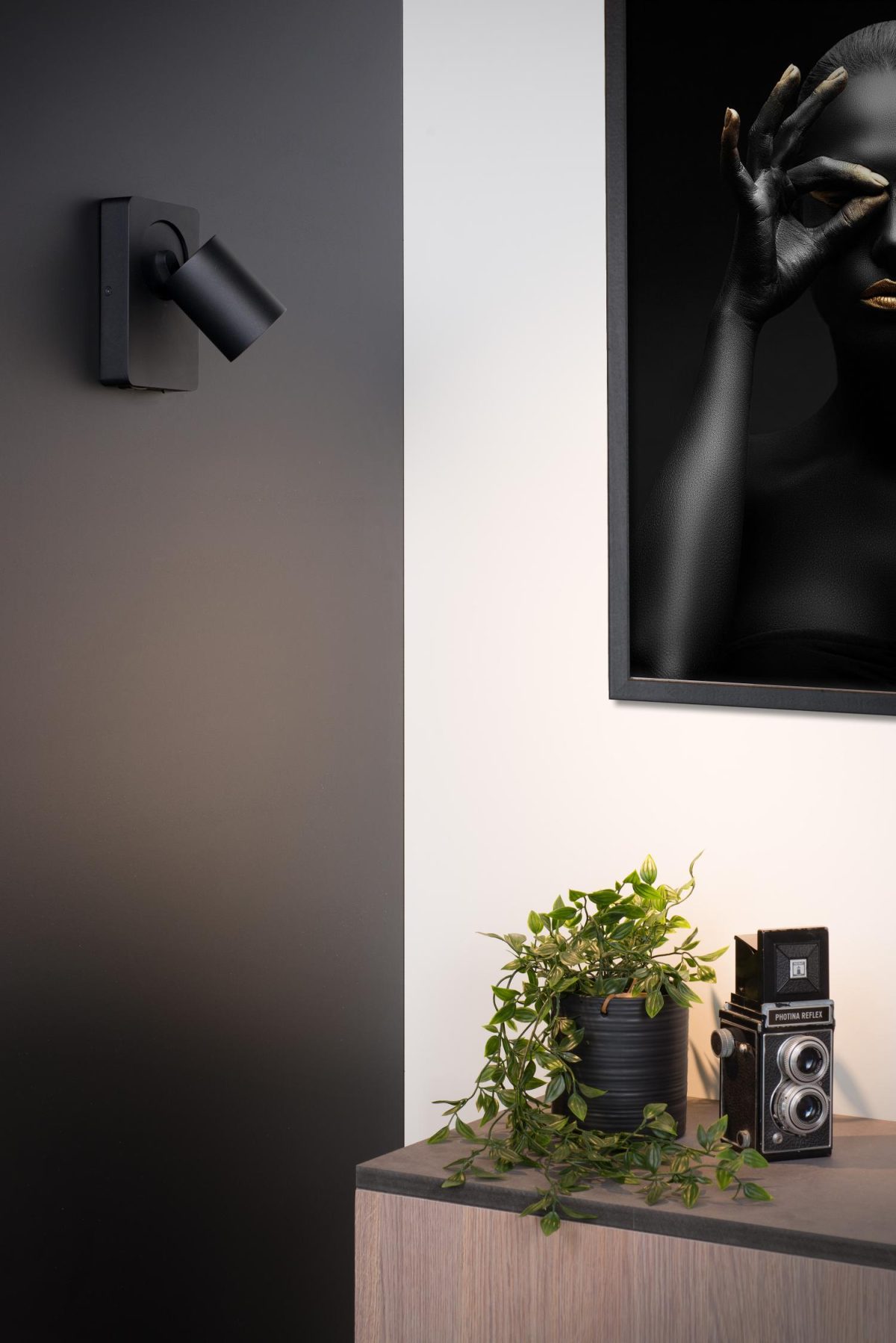
Wall lights next to the bed
View allWith a switch on the light, an adjustable head or a USB port.
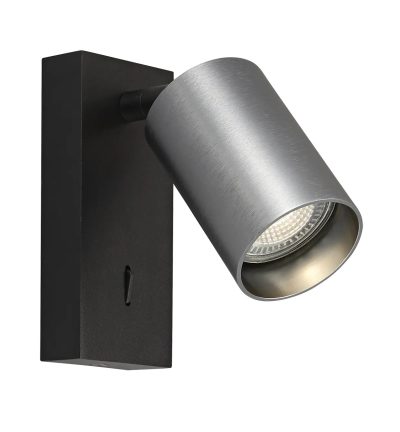
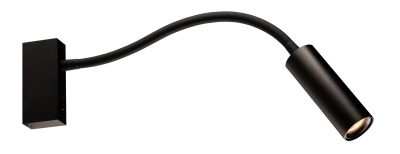
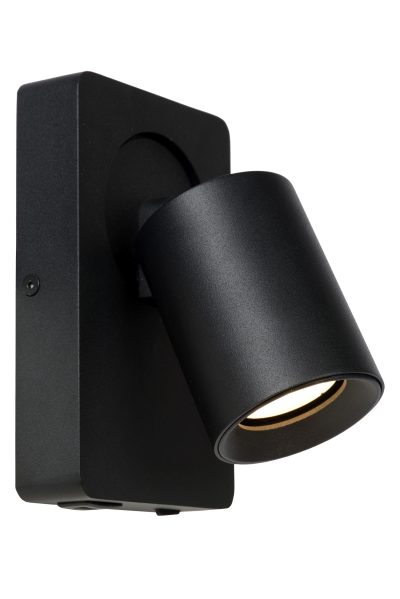
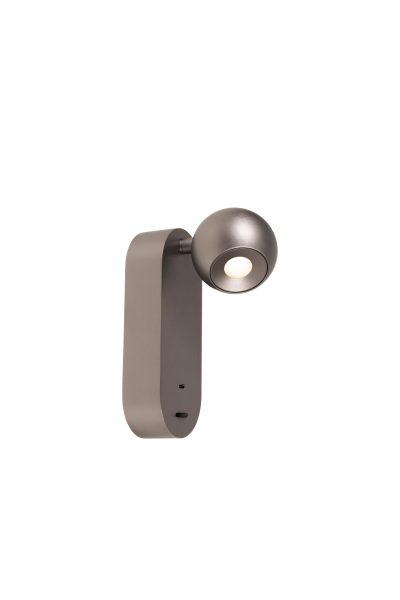
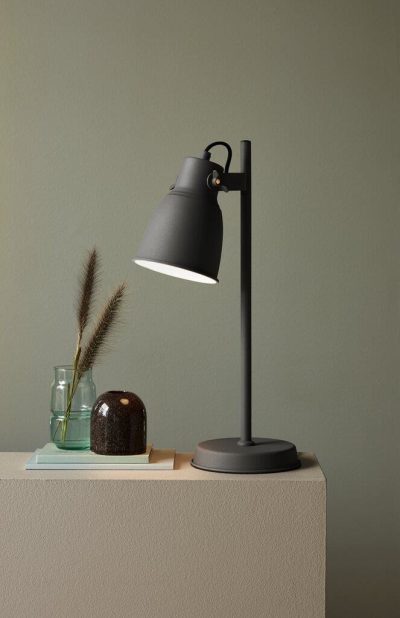
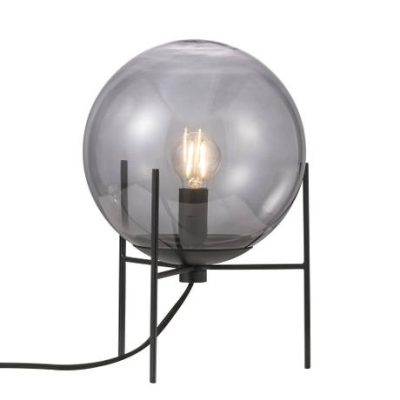
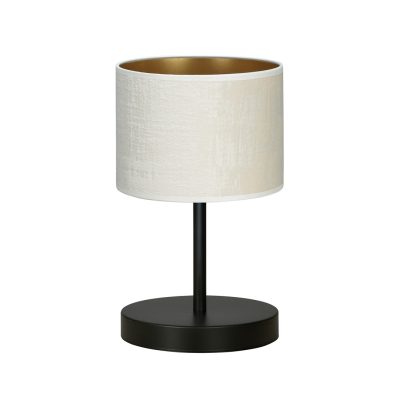
Table lamps for the bedside table
View allCompact, with a warm or dimmable light source, or rechargeable without a cord.
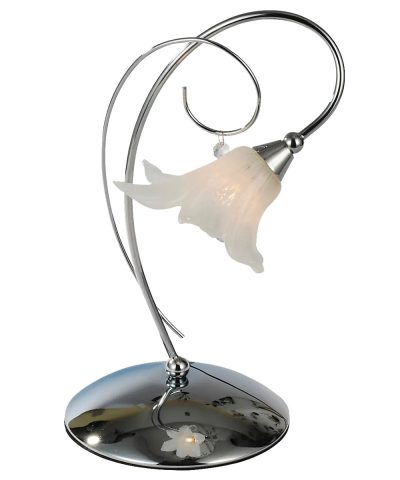
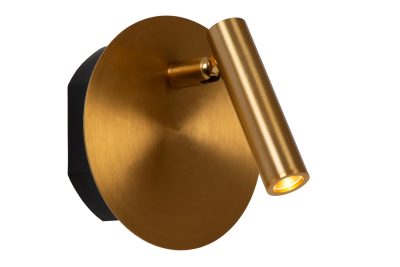
 LUCIDE PINCHA BEAR
A rechargeable night light for the children’s room with a colour temperature of 2100 K and 23 lumens, dimmable: dim and warm enough to keep the night dark. Log in for your price
Frequently asked questions
How many lumens does a bedside lamp need?
For reading in bed, a directed lamp of a few hundred lumens is enough, because it is close to the book. If you are older or read small print, choose a dimmable model with some reserve. For the rest of the room, use the lumen calculator.
Is red light better for sleep than warm white?
Red and amber light contain even less of the short wavelengths that affect the biological clock most strongly. For a night light, such a dim, warm colour is therefore a logical choice. It is less suitable for reading, because you see colours and contrasts less well. How much light falls on your eyes remains at least as important as the colour.
Can a plug-in wall light simply go into a socket next to the bed?
Yes, that is what wall lights with a cord and plug are meant for. Make sure the cord is not trapped behind the bed and that the switch remains within reach. Have a fixed connection to a lighting point made by an electrician.
Which ceiling light suits a bedroom?
A light you do not see when you are lying in bed: a flush ceiling light with an opal shade, a light that shines towards the ceiling, or a dimmable pendant light that hangs outside your field of view from the bed. Avoid bare bulbs and narrow spotlights above the bed.
Sources
- Recommendations for daytime, evening, and nighttime indoor light exposure to best support physiology, sleep, and wakefulness in healthy adults (Brown e.a.), PLOS Biology 20(3): e3001571 (2022)
- Schlafzimmer: Licht für den Schlafbereich, licht.de (ZVEI)
- Licht für Wohnräume (presentatie bij licht.wissen 14), licht.de (ZVEI) (2020)